How to Add an AI Chatbot to Your Nuxt Website with Aiduko
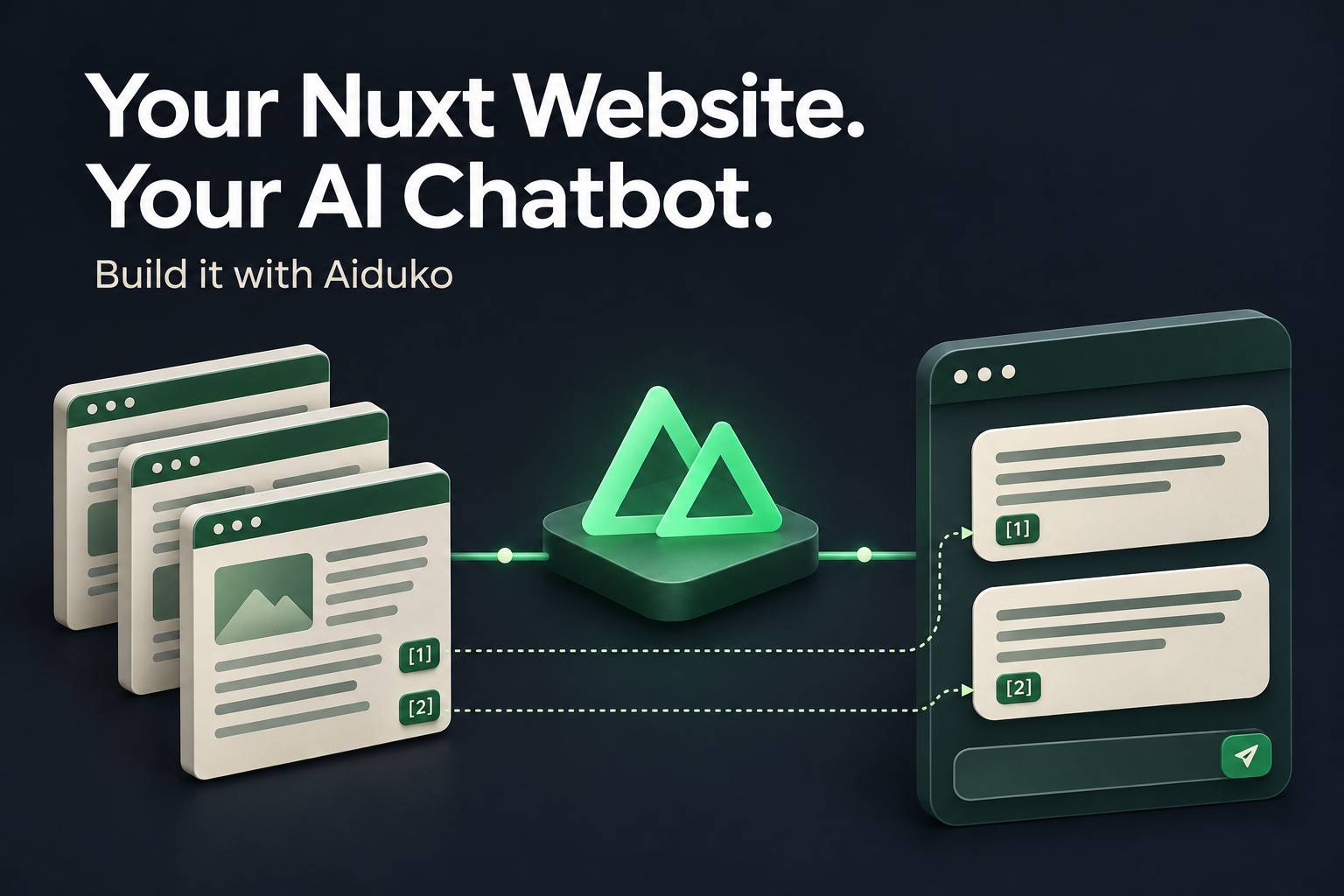
Build a chat page with Nuxt 4, Nuxt UI and the AI SDK. Connect it to Aiduko through a server route, stream answers from your website content and display source links.

Category · 13 articles
Articles in the category Fullstack.
Build a chat page with Nuxt 4, Nuxt UI and the AI SDK. Connect it to Aiduko through a server route, stream answers from your website content and display source links.

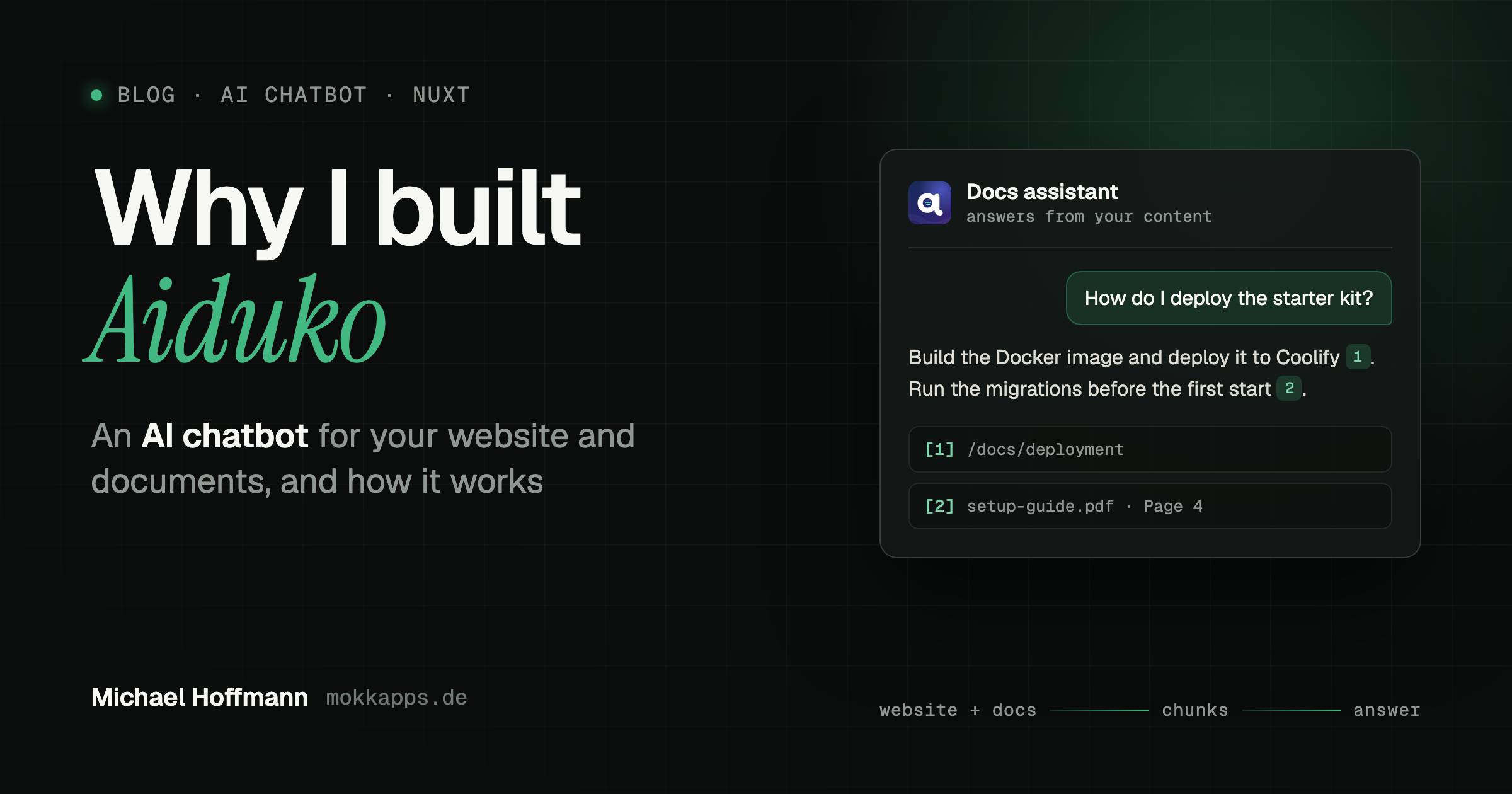
Aiduko turns websites and documents into AI chatbots that answer with sources. In this article, I share why I built it and give a high-level overview of its architecture: Nuxt layers, a single Postgres database, hybrid search and an API instead of a widget.

Connect MySQL to Nuxt with Drizzle ORM: define a table, apply a migration, reuse a connection pool and query articles from a server route.

Discover the reasons behind the development of my unique Nuxt starter kit tailored for creating SaaS products. Learn why I opted for a highly opinionated and custom solution over existing options, and how it enhances productivity and maintainability.

Twitter will shut down Revue on January 18, 2023, which I previously used as a newsletter provider for Weekly Vue News.

My portfolio website is built with Nuxt 3 and Nuxt Content v2. An RSS feed with my latest five blog posts is available here. In this article, you'll learn how to add an RSS feed to your Nuxt website.

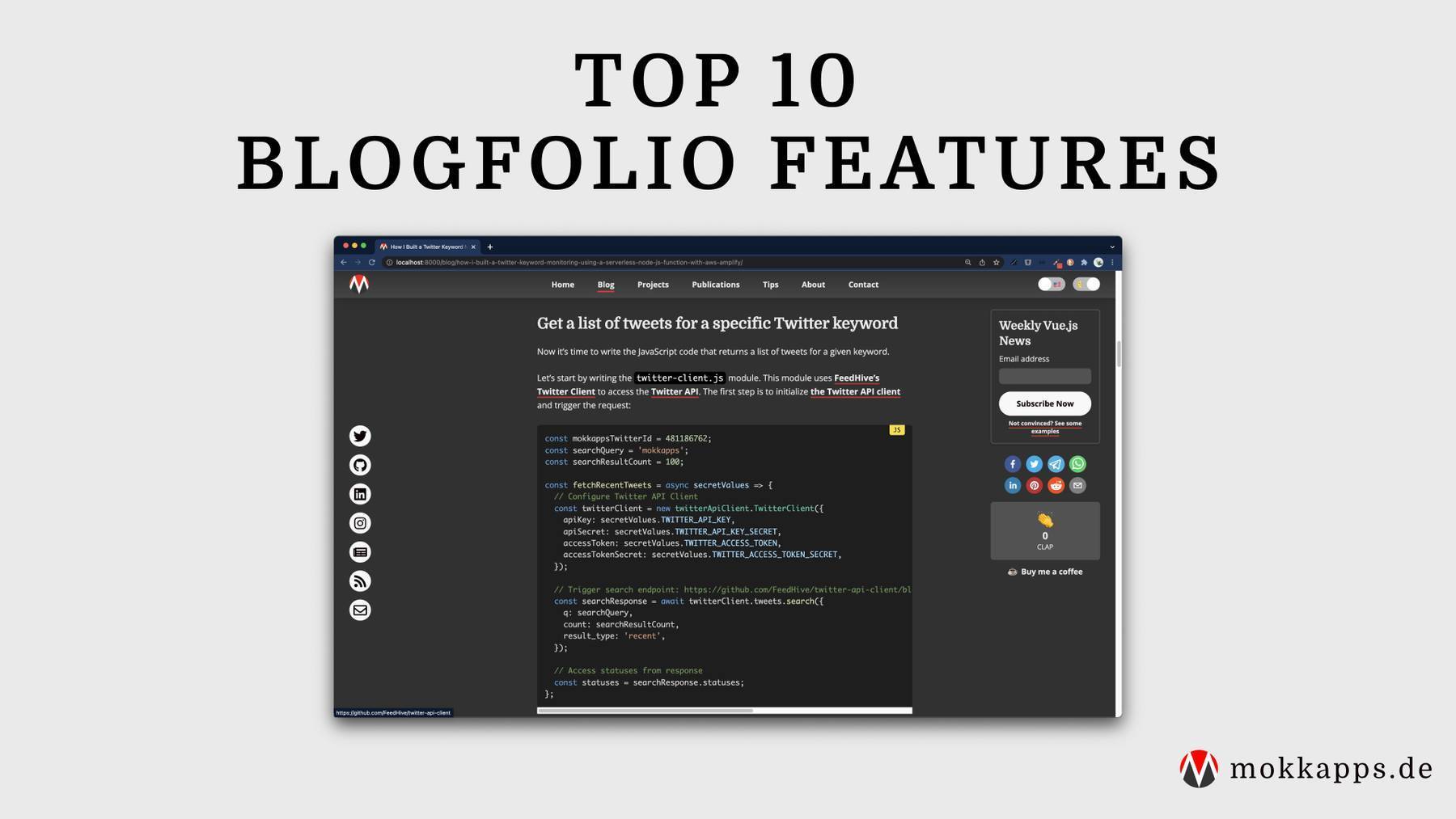
Inspired by Braydon Coyer's new blogfolio, I've added some excellent new features to my portfolio website.

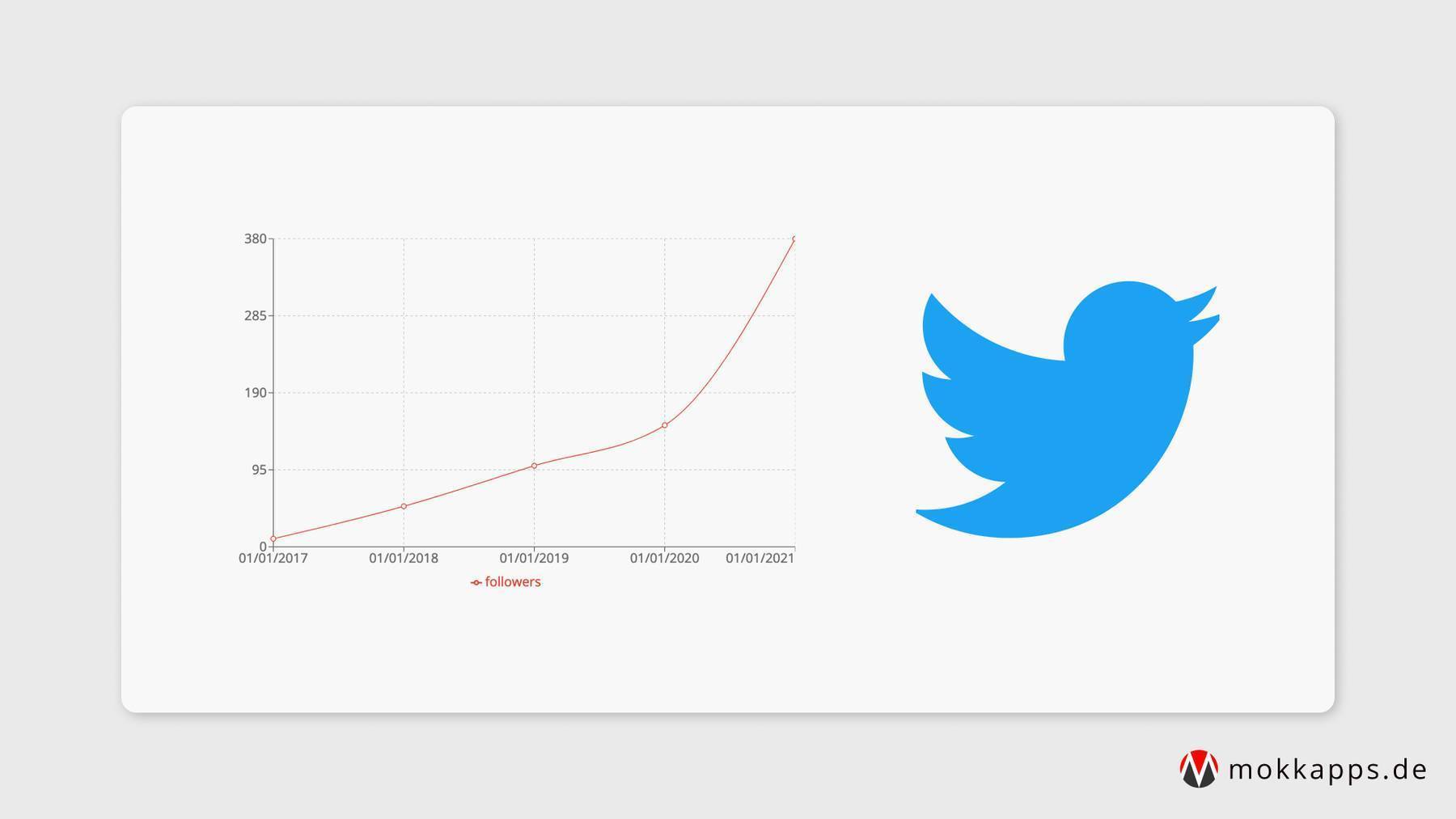
In March 2021 I started to use FeedHive to help me grow an audience on Twitter. Recently, I wanted to check how my Twitter followers have grown over time. Unfortunately, Twitter Analytics only provides data from the last 30 days. So I decided to develop a simple serverless API to fetch and store my follower count each month.

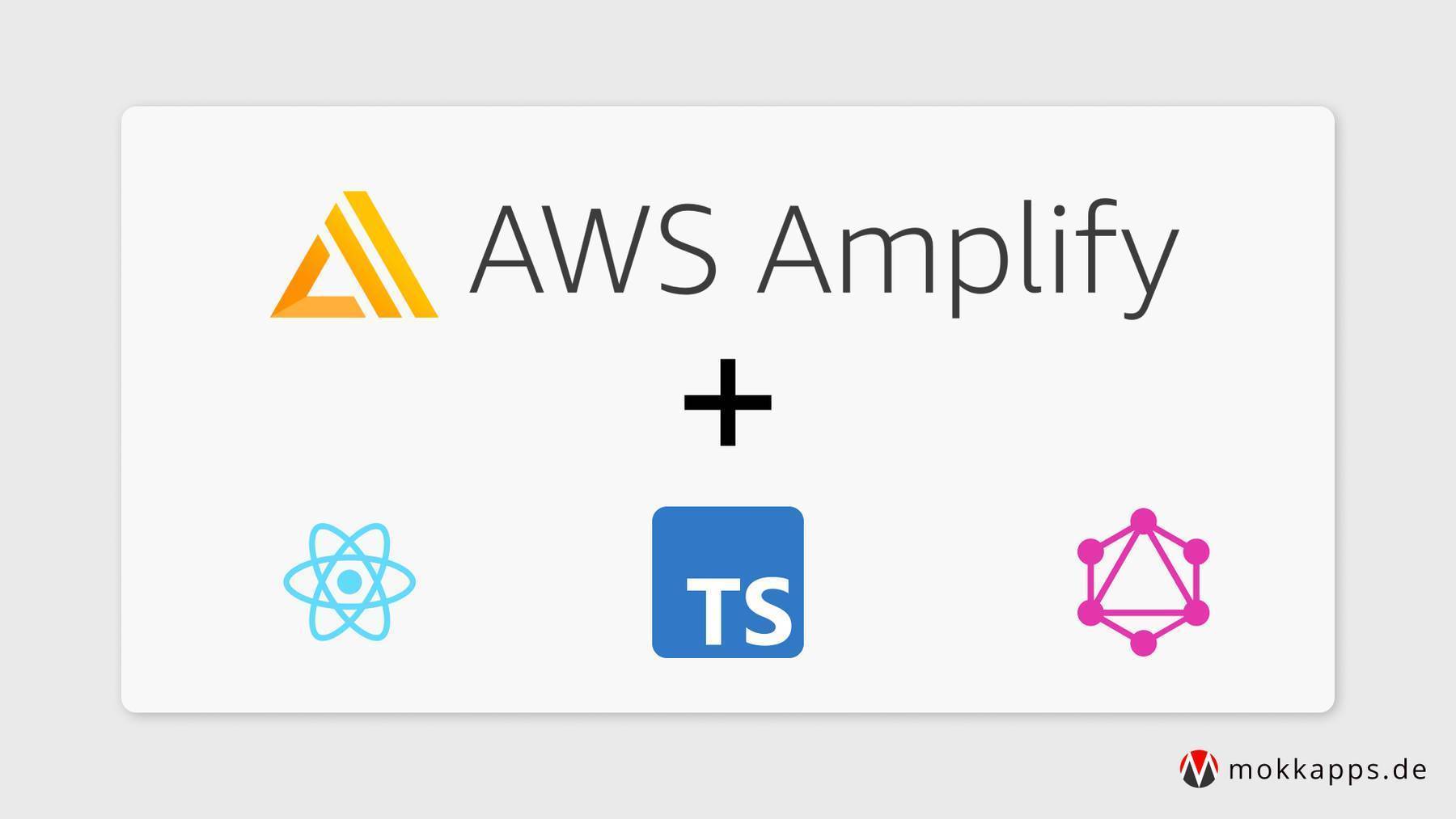
Recently I recognized that some SaaS (Software as a Service) products use AWS Amplify which helps them to build serverless full-stack applications. I think serverless computing will be the future of apps and software. Therefore, I wanted to gather some hands-on experience, and I built a serverless application using AWS Amplify that uses React as frontend framework and GraphQL as backend API.

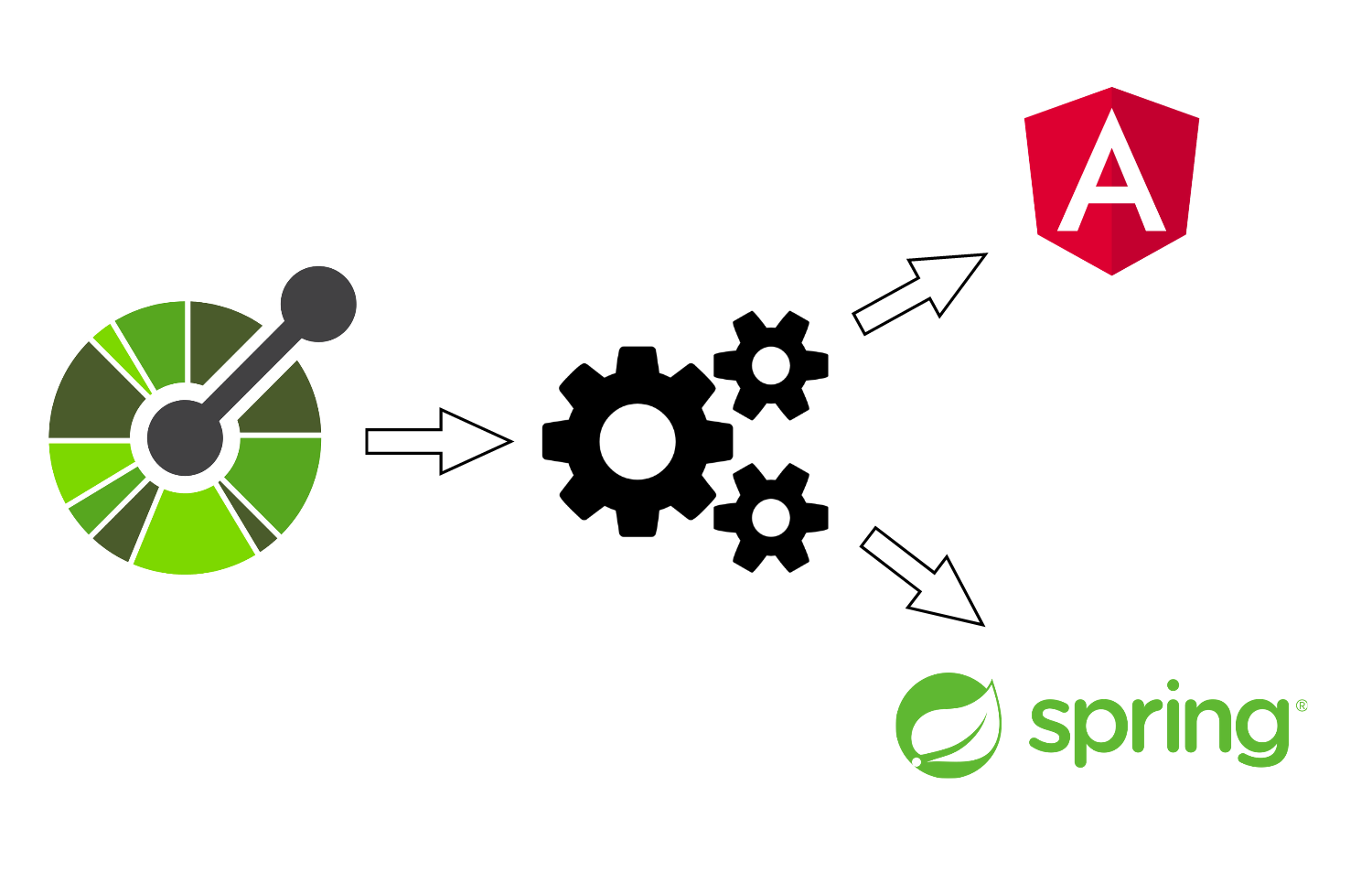
If you are developing the backend and frontend part of an application you know that it can be tricky to keep the data models between the backend & frontend code in sync. Luckily, we can use generators that generate server stubs, models, configuration and more based on a OpenAPI specification.

In my current, I had the opportunity to develop a new application based on Vue.js in the frontend and Spring Boot in the backend. The backend should send updates to the frontend via a WebSocket connection so that users do not need to refresh the website to see the latest information.

In the last years, I mainly worked on the frontend part of web & mobile applications, but I also did some minor backend work. Since mid of this year, I have been working to improve my backend knowledge and started to focus on Java backend development using Spring Boot.

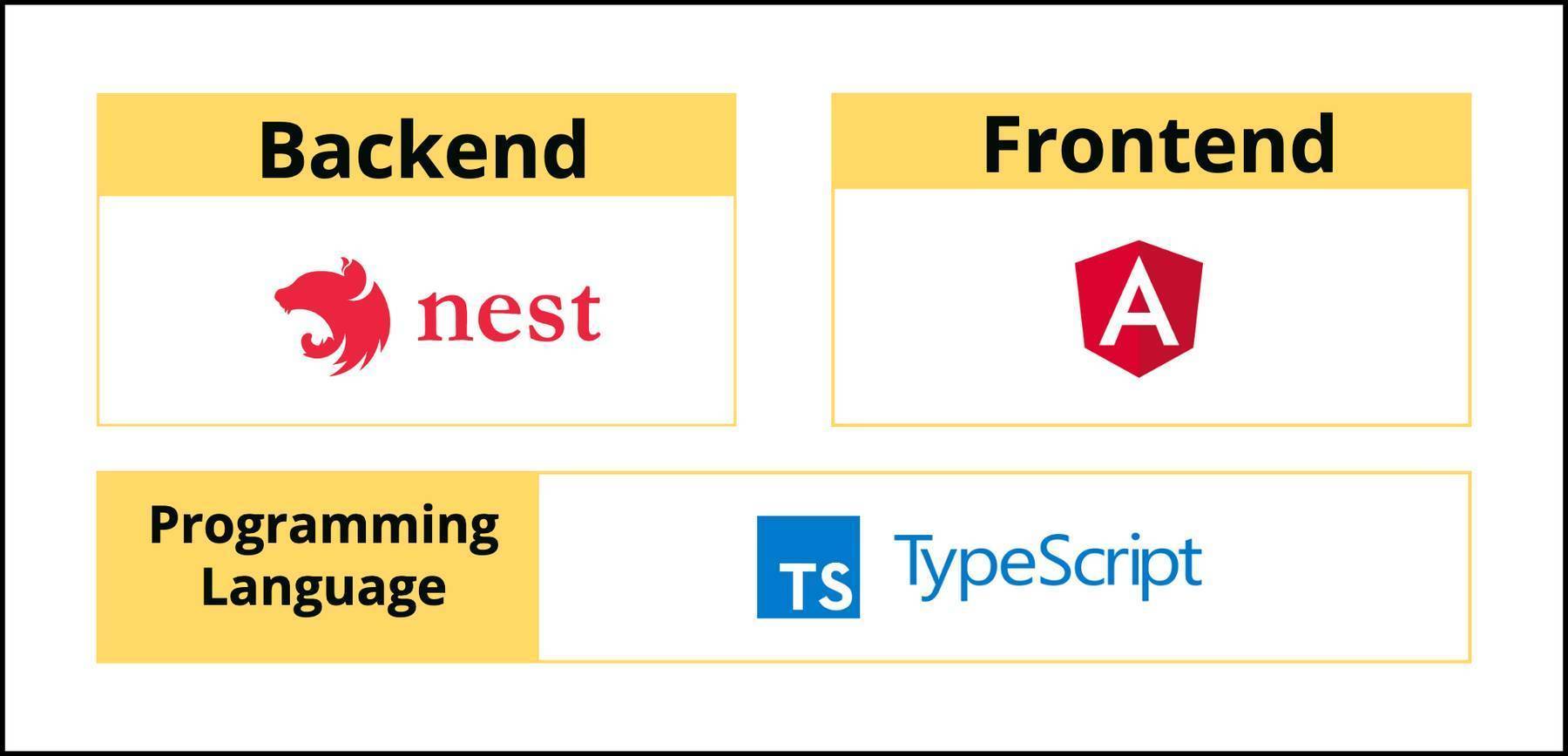
I think we all know this problem: You need to develop a new web application, and therefore, you need to implement the application's core in the backend and frontend. Both can be time-consuming, and if you make the wrong architectural decisions in the beginning, they can hardly be maintainable over time.